From brand files to a live website. In two days.
Drop the folder into Claude and it walks you through all seven moves, from your brand files to a live URL on your own domain. Day one, design and audit. Day two, ship and hand over. No developer. No drift.
Voice note on Monday. Live URL by Wednesday.
There are a thousand videos of AI design output. Almost none of it ever reaches a real domain, and almost none of what does survives a year of price changes and menu updates. This is the part nobody shows you: the export, the launch, and the Tuesday afternoon a year from now when you need to change one line.
What you get
Seven files plus the Kit, and a Start Here that lets Claude drive. Prefer to drive yourself? The Run Sheet on page one is the same journey in seven moves.
Website Brief
One page you paste into Claude Design along with your design system. Back comes a full homepage built on your own components, not a template.
Build Prompts
The four files to upload, in order, and the exact opening prompt that built The Iru, word for word. This is what stops the model from inventing its own colors and spacing.
Correction Sequence
Every fix I made on The Iru, all twenty, in order. Half were taste, half became permanent rules. Plus the habits that save passes: describe the target, not the direction. Reference images beat adjectives.
Audit Skill
Two paste blocks. The first makes Claude confess every decision nobody asked for. The second checks every claim, color and price against its source. This is how I caught "award-winning" on a restaurant that doesn't exist.
Launch Pack
One prompt to freeze and export, then four for Claude Code: repo, Vercel, domain with SSL, verification. About fifteen minutes of real work, including the launch pass and the registrar snags nobody warns you about.
Two-Lane Change System
How every future edit works. Text changes go live in minutes with zero design risk. Visual changes get a private preview link first. Any change, one email.
Launch Checklist
The list every site I build runs through before it goes live, and in the week after. Sixteen sections, the blockers marked, every line a real problem found on a real launch: the canonical tag still pointing at the preview URL, the menu that will not close on an iPhone, the form that looks like it sent, the one DNS record you must never touch. A prompt at the end makes Claude Code run the automatable half and hand you the rest as a to-do.
- Before you export
- Build hygiene
- Responsive and interaction
- Forms and conversions
- SEO foundations
- Structured data
- Answer engines
- Social sharing
- Analytics
- Performance
- Accessibility
- Security
- Legal
- Go-live (DNS day)
- The first week
- Every change after
The AI Brand Kit, all eight files. The pipeline builds on the design system the Kit produces, so it comes in the box.
How it works. Seven moves, two days.
Drop the folder into a Claude chat. It asks one question first, do you have a design system yet, routes you into the Kit if not, and if yes, runs the build one move at a time: which tool to open, what to upload, the exact text to paste, what you should see. You report back, it moves on.
Day one is moves one through four. Day two is five through seven.
Set the table
Open Claude Design. Upload four things in order: design system, brand guidelines, brand brief, photos. The model builds from what's attached because it has nowhere else to look.
One prompt
Paste the opening prompt, word for word. A full homepage comes back, built from your own components. Correct and a little generic, which is exactly the starting point you want.
Direct
Shape it with plain-English corrections from the Correction Sequence. If Claude is driving, it serves the proven correction language at the right moments.
The audit
Two paste blocks make Claude Design confess every decision nobody asked for, then trace every claim, color and price to its source. You rule keep, fix or decide. Nothing ships before this.
Freeze and export
Declare the design frozen. One prompt restructures it into a deployable site with every editable word, menu, prices, hours, meta, moved into one content file.
Ship it
Open Claude Code in the exported folder. Four prompts in order: repo, Vercel, domain with SSL, verification. Then a launch pass: WebP, favicon, social cards, 404, sitemap. Then the launch checklist, and nothing goes to DNS until its blockers are clear.
Change it forever
Every future edit takes one of two lanes. Content goes straight to live in minutes. Visual changes get a private preview link you approve first. A price change on The Iru took eleven seconds.
Three tools. All free at this scale.
You'll need an account with each. The Launch Pack walks you through setup in the order you'll hit it.


Here's what the seven files shipped.
The Iru's website is live right now on its own domain. Built from the Kit's design system, corrected with the sequence above, launched with the four prompts. Changing Friday hours took forty-two seconds. A new 404 page took fifty-one.
Five screens. One system.
Homepage, story, menu, gallery and footer, exactly as they ship. Every color, type size and spacing rule traces back to a file in the Kit.
Sites we've built with this process.
Live sites, same seven moves. Each one runs on its own design system with every editable word in one content file.
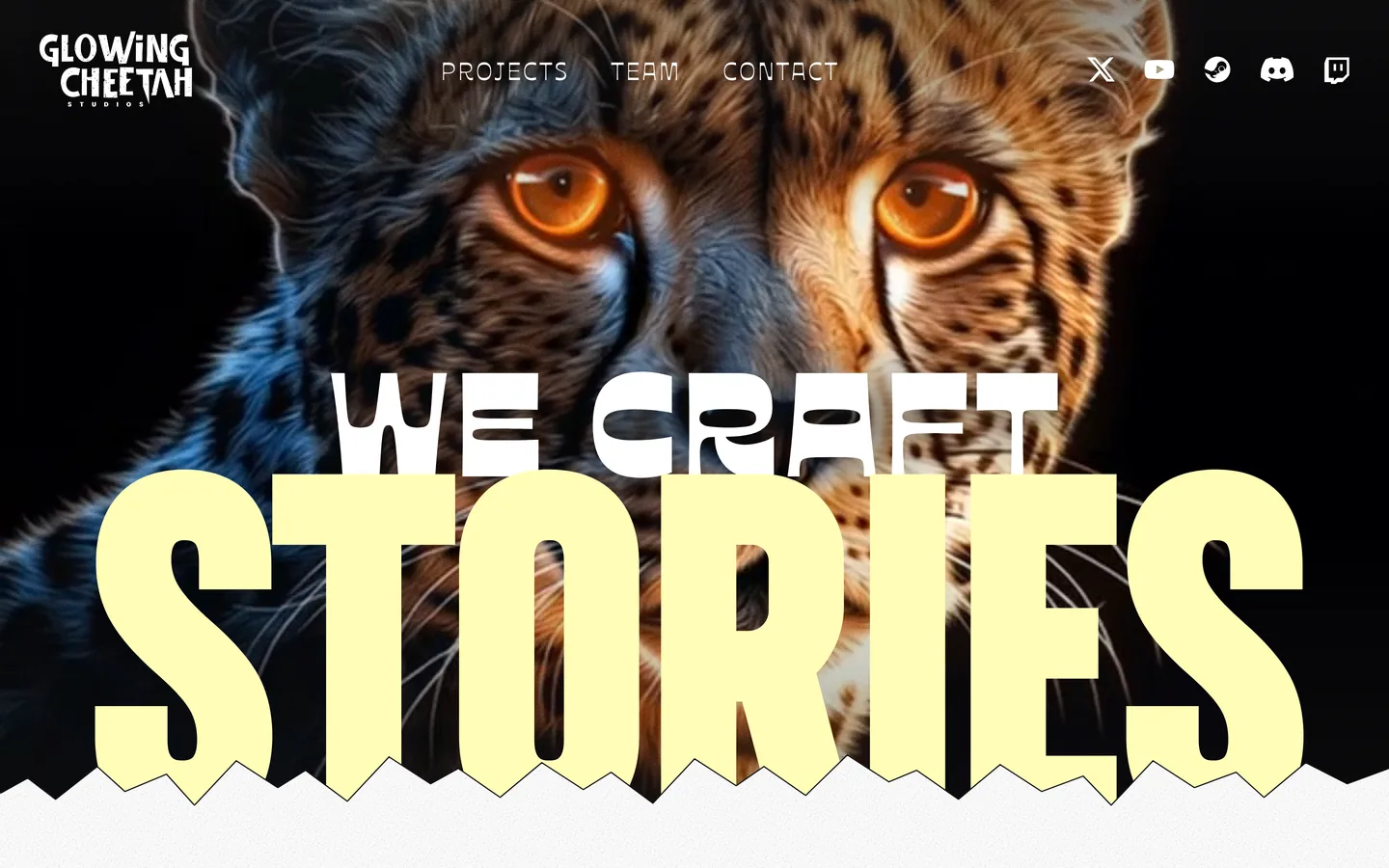
Glowing Cheetah
glowingcheetah.comA father and son indie studio making games, books and animation.
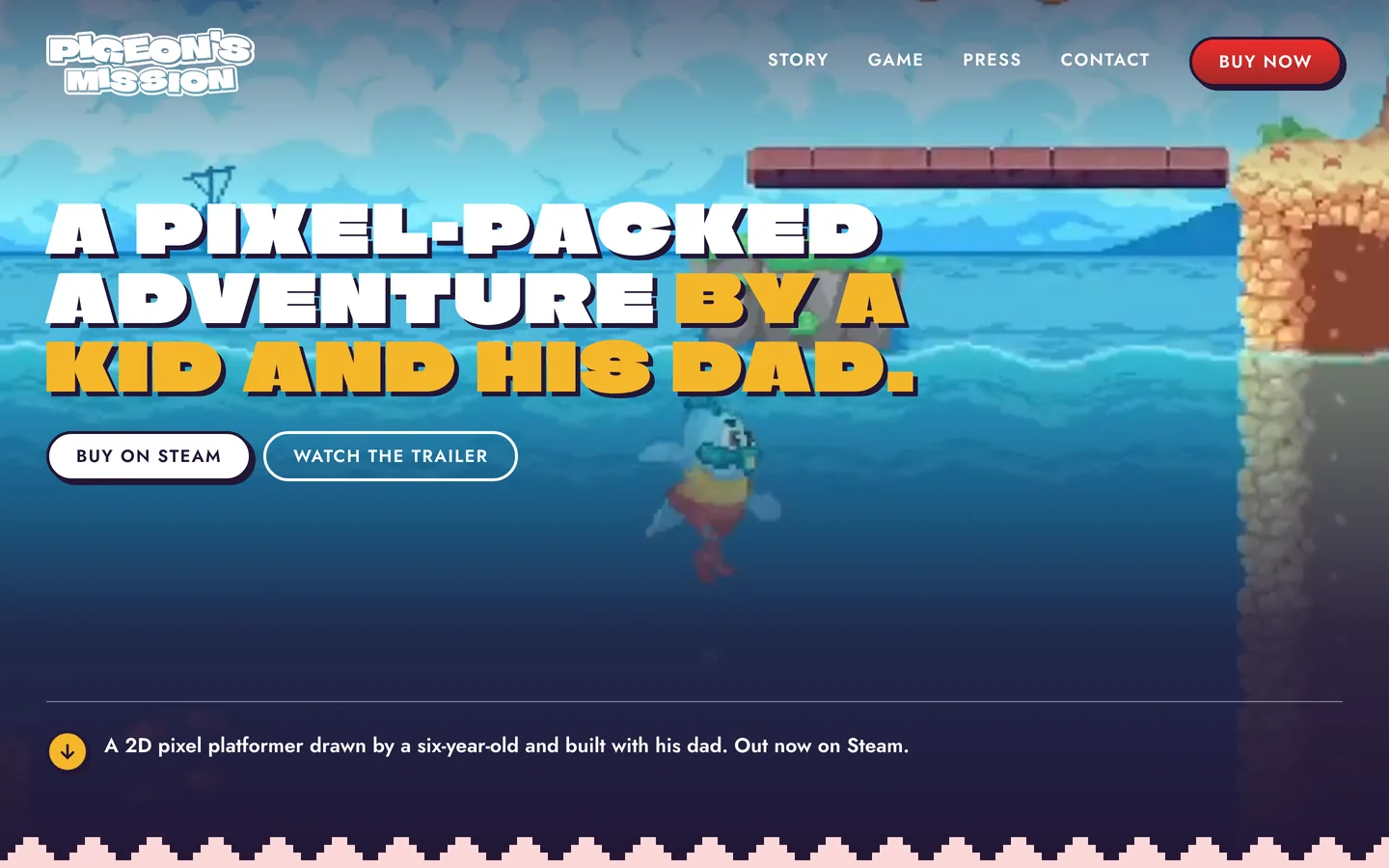
Pigeon's Mission
pigeonsmission.comA 2D pixel platformer drawn by a six-year-old and built with his dad.
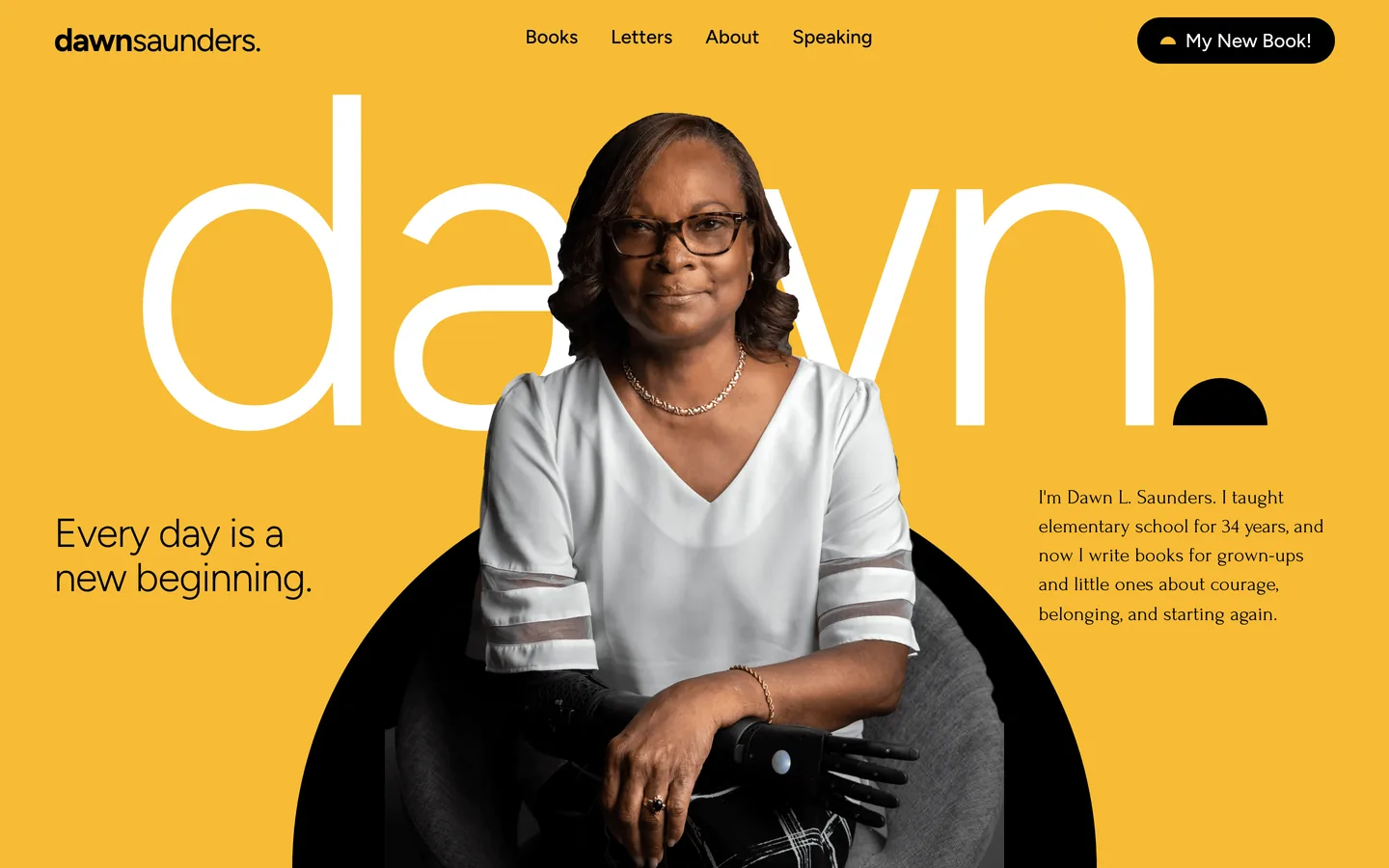
Dawn L. Saunders
dawnsaunders.comAn author site for a retired teacher writing memoir and children's books.
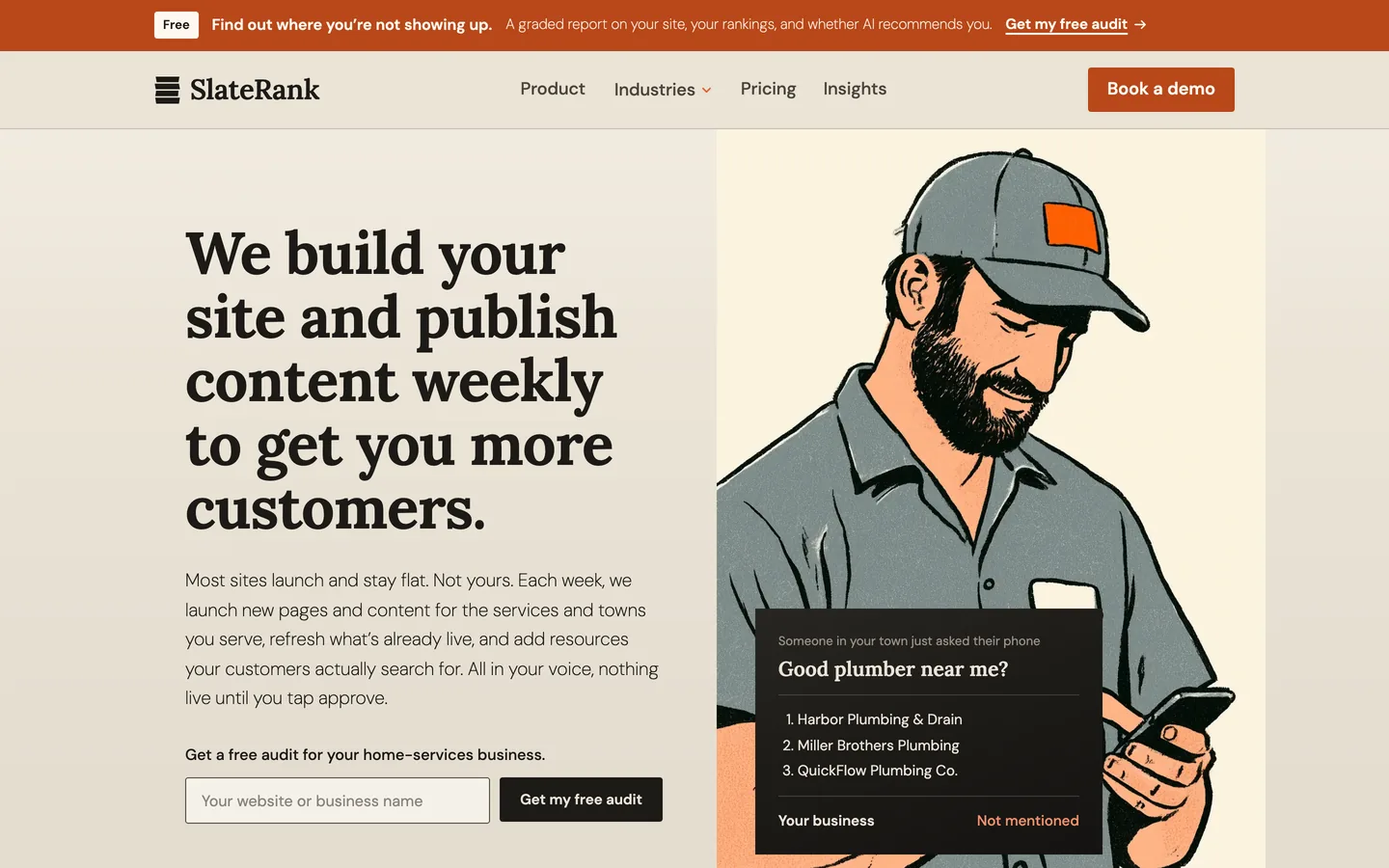
SlateRank
slaterank.aiWebsites for home service businesses, with new service pages every week.
FAQs
Do I need to know how to code?+
No. Claude Code does the work between the design export and the live site. You answer a few questions and paste four prompts. If you can copy and paste, you can launch.
Do I have to figure out which file goes where?+
No. Drop the whole folder into Claude and it guides you move by move: which tool to open, what to upload, what to paste, what you should see. Prefer to drive? The Run Sheet on page one is the same journey in seven steps.
What if I don't have a design system yet?+
Claude asks that first. If the answer is no, it routes you into the included AI Brand Kit and brings you back when your design system is ready. Nothing to figure out.
How long does the launch actually take?+
Two days end to end. Day one is design, direction and the audit, moves one through four. Day two is freeze, ship and hand over. The launch itself is about fifteen minutes of real work.
What is the launch checklist?+
The list I run every client site through before it goes live and in the week after: sixteen sections, the blockers marked, from the canonical tag and the share image to the DNS records you must never touch. File 07 includes a prompt that makes Claude Code run the automatable half and hand you the rest as a to-do.
Do I need The AI Brand Kit first?+
It's included, and Claude checks for it on the first question. If you already own the Kit, the pipeline picks up exactly where your Design System Setup left off.
Does this work for multi-page sites?+
The brand and design phases work for anything. The Launch Pack is built for a one-page site with no CMS. Multi-page and headless CMS is a separate series.
Is The Iru a real restaurant?+
No. The concept is fictional. The brand, the guidelines, the site and the process are all real and all shown on camera.
What accounts do I need?+
Claude, GitHub and Vercel. All three are free at this scale. Claude Code runs locally on your machine.
Is there a refund?+
Yes. If it isn't useful, email me within 7 days and I'll refund it. No questions asked.